Tips Before You Go Shopping
Make a Plan
Knowing what you need (or don’t need) in the store will help you avoid buying unnecessary items. This way, you can prevent a hefty bill and reduce food waste. So, plan ahead! Need ideas to replace that slice of salami or ham on your sandwich? Try these:
- Vegetables: raw, grilled, or as a spread
- Nut butter, like 100% peanut butter
- Legume spread, such as hummus
- Eggs, e.g., hard-boiled
- Cheese, such as cottage cheese, mozzarella, or cream cheese
- Fish, e.g., herring or sardines
- (Grilled) chicken or turkey
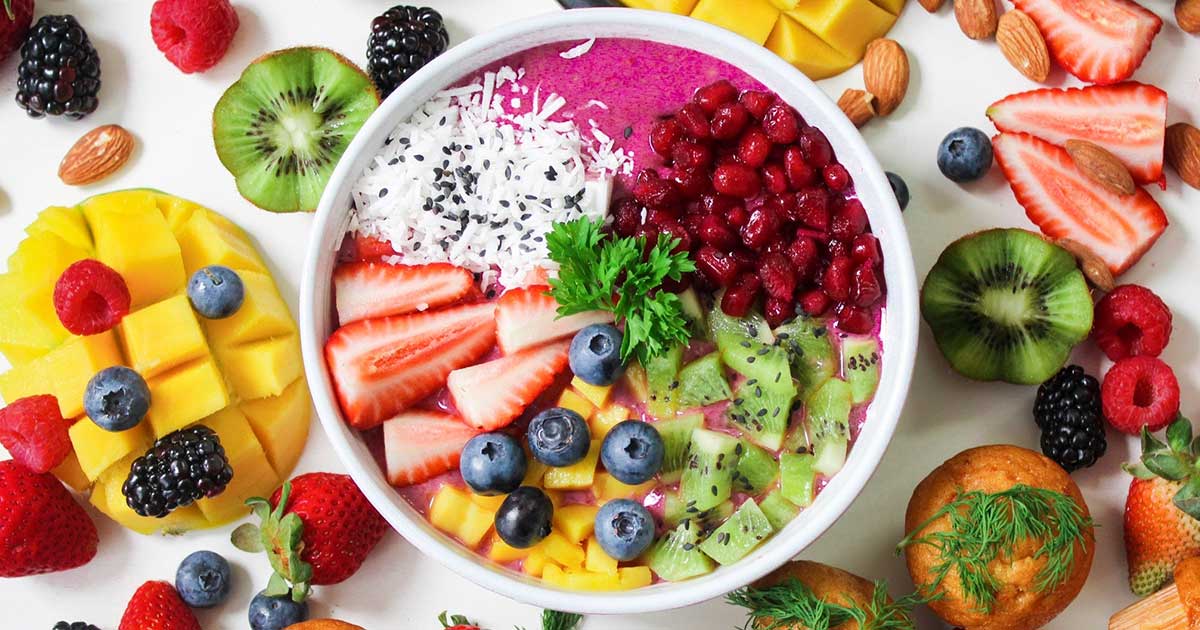
- Seasonal fruits: banana, strawberry, peach…
*Choose Veggies
Tips While Shopping
Staying Within Your Budget
With your shopping list, you know what you need. However, in the store, you still need to make choices. The following tips will help you make budget-friendly choices:
Additional Tips While Shopping
- Shop on a full stomach. This makes it easier to resist super deals on candy bars, chips, or other salty and sweet snacks. If you opt for something unhealthy, choose a smaller package.
- Shopping is more enjoyable when done at a leisurely pace. If possible, shop alone without (small) children so you can think more calmly about what to buy or skip.
- Where to shop? Explore the stores in your area. Compare their assortment and prices. Take a look at a local supermarket, the neighborhood grocery store, or the weekly market; often, fresh fruits and vegetables are cheaper here.
- Be cautious with super promotions. Mega discounts on chocolate, buy 1 kilo of meat get 1 kilo free… It might seem tempting at first, but do you really need those products in such large quantities? Can you use or store them? Bulk promotions on meat can be beneficial, but only if you have enough space in the freezer. The deal on those cookies your (small) children like is also great but only if you can store the stock where the cookie enthusiasts won’t see it.
Tips After Shopping
Shopping done, now it’s time to cook. Here are some tips:
- Plan dishes with fresh products and ingredients that are not highly durable for the days after shopping.
- Freeze leftovers to eat on “leftover day.”
- Get creative with your leftovers: easily incorporate vegetable leftovers into soup, stew, or pasta sauce. Have a leftover tomato or carrot? Use them as additions to your sandwich toppings. Overripe fruit can be used in a smoothie or milkshake, or you can flavor tap water with it.
Well-kept Secret for Healthy & Affordable Eating: The Freezer
Many think that frozen vegetables and fruits are inferior to their fresh counterparts. That’s not true. Frozen vegetables and fruits without additives are just as healthy as fresh ones and usually more affordable. Enough reasons to invest in a good, environmentally friendly freezer. From storing leftovers to freezing bread portions, the freezer won’t leave you out in the cold.